Festival Guide
Photographing French Landscapes: A Working Guide
A practical guide to photographing French landscapes and nature: light hours, seasons, coastal framing, and how to check when an image was taken.
The editorial team of Second Street Almanac
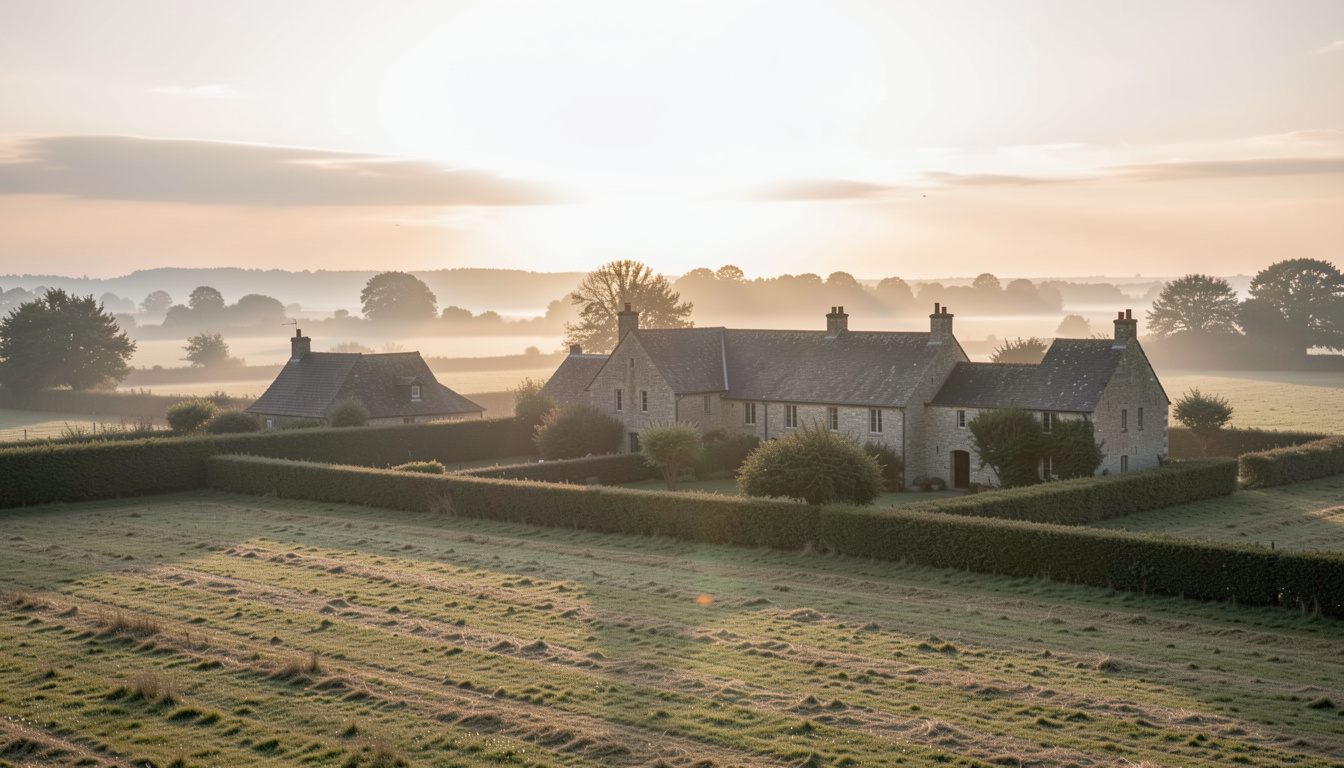
A photographer working in France needs three things before pressing the shutter: the hour of light, the season, and the terrain in front of the lens. Get those three right and the image reads as a place rather than a postcard. Get them wrong and no amount of editing will recover the shot.
The French landscape is not one subject. It is a set of distinct milieus, each with its own light behaviour, its own working season, and its own rules about access. Treating the country as a single backdrop is the most common mistake made by visitors and by image buyers alike.
Why the hour matters more than the location
Light in France changes character across the day in ways that are predictable once you know the latitude and the season. In the north, summer evenings stay bright until well past nine, which stretches the usable window but flattens contrast. In the south, the same month delivers hard midday sun that burns out stone and leaves shadow detail unrecoverable.
The practical rule is to work the two hours after sunrise and the two hours before sunset for any landscape that includes sky. Midday is for interiors, markets, and shaded streets, not for open country.
A second rule concerns weather. Overcast light is not wasted light. It is the only condition that lets a photographer hold detail in both a pale limestone wall and the dark foliage beside it. Coastal Brittany and the Norman bocage both reward grey days.
What a dated image tells a buyer
Anyone assembling a picture library for French landscapes should ask a simple question of every image: when was it taken, and what is permitted with it? A photograph without a capture date is a photograph without a context. Season changes the colour of a beech wood, the height of a hay meadow, and the angle of the sun at any given hour.
This is the discipline behind the landscape work published on francedias.com, where each plate carries its light hour, its milieu, and a note on usage. A dossier is only published there when the capture date is known and the rights are clear. That standard is worth copying, whether the images end up on a festival poster, a tourism brochure, or a municipal website.
For event organisers in Athens who license landscape photography for banners and programmes, the same test applies. Ask for the date. Ask for the permitted use. A beautiful image with unclear provenance is a liability, not an asset.
How does a region photograph itself?
Each French region presents a different problem to solve. The variables are relief, light, season, and viewpoint, and they interact.
Brittany and the Atlantic coast. Granite, tidal range, and fast-moving weather. The coast here is best shot at low tide in the hour after dawn, when wet rock reflects sky and the horizon stays clean. Summer brings crowds to the same coves, so shoulder seasons give both light and space.
Normandy and the bocage. Hedged fields, stone hamlets, and dairy country. The bocage is a low-contrast landscape that needs side light to show its structure. Early morning in late summer, when mist sits in the hollows, is the strongest window.
The Alps and high valleys. Altitude compresses the seasons. A valley floor can be green while the ridge above it is still under snow. The photographic problem is scale: without a human figure, a barn, or a road, the viewer loses all sense of size.
The Mediterranean south. Limestone, garrigue, and vineyards. Light here is hard and directional. Work early, work late, and use the middle of the day to scout rather than shoot.
The Massif Central and inland plateaus. Wide, quiet, and often overlooked. Volcanic cones and grazing land give long sightlines that suit a slightly longer lens and a low sun.
Which season for which landscape
Season is not a matter of preference. It is a matter of what the land is doing.
Spring suits woodland, orchards, and rivers. Blossom and new leaf give colour, but the light is often unstable and the ground is wet.
Summer suits coastlines, high mountains, and lavender country. It also brings the hardest light and the largest crowds. Plan around both.
Autumn is the strongest season for inland France. Beech and oak turn, the light softens, and the harvest puts activity in the fields. Vineyards in Alsace, Burgundy, and the Loire are at their most legible in late September and October.
Winter suits bare structure. Hedgerows, stone walls, flooded fields, and mountain ridges read clearly without foliage. Days are short, so the usable window is narrow and the planning has to be exact.
At what hour should a French landscape be shot?
There is no single answer, but there is a reliable method. Start with the direction the subject faces. A west-facing cliff is a morning subject if you want it lit and an evening subject if you want it silhouetted. Then check the sun path for the specific date and latitude. Then subtract the travel time to the location.
For most open landscapes in France, the best results come from the first ninety minutes after sunrise and the last ninety minutes before sunset. In deep valleys and on north-facing slopes, the usable light may not arrive at all in winter. In high summer, the golden window can last three hours or more in the north and barely one in the south.
A useful habit is to record the hour on every frame, either in the file metadata or in a notebook. Over a season, that record becomes a personal light chart for a region, and it is far more valuable than any generic advice.
Photographing rural trades and crafts
Fields and forests are only part of the picture. The working landscape includes the people who maintain it: shepherds, coopers, basket makers, millers, and market gardeners. These subjects require a different approach.
Permission comes first, and it should be asked in advance and in person. Explain where the images will appear. Many artisans are willing to be photographed at work but not to have their premises or their methods documented in detail.
Light is usually the constraint. Workshops are dark, and the work happens at benches and machines that create hard shadows. A fast lens and a willingness to shoot at higher sensitivity matter more than a tripod in most cases. The hands are the subject, so frame them.
Seasonality applies here too. Harvest, pruning, transhumance, and market days all follow calendars that are fixed well in advance. A photographer who plans around those dates will find the work happening rather than waiting for it.
Building a usable set of images
A single strong photograph is not a library. A usable set covers a region across seasons, hours, and distances. It includes wide establishing views, mid-range views that show how land is used, and close detail that gives texture.
It also includes honest captions. Location, date, hour, and the milieu shown. That information is what turns a pleasant image into a document that a planner, an editor, or an event organiser can rely on.
For anyone working on French landscape material, the sequence is straightforward: choose the region, check the season, fix the hour, confirm the rights, and only then take the camera out of the bag.